Care-centred. Autistic-led. Widening the future.

The Green Shoots Project exists to support autistic children and the adults around them in ways that feel thoughtful, humane, and sustainable.
Too often, autistic children are expected to fit into an education system that does not understand or accommodate them well. Support can come late, feel fragmented, or place more pressure on children and families who are already carrying too much.
TGSP offers something different: care-led support that begins with readiness, trust, and respect for autistic ways of being.
Why TGSP exists
The Green Shoots Project was built on a simple belief: when autistic children feel safe, understood, and supported, confidence, connection, and learning can begin to grow.
Importantly, autistic children do not experience learning, wellbeing, or belonging in isolation. Their experiences are shaped by the adults around them and the environments they move through. When support focuses only on the child, without considering this wider context, it often misses what is actually needed.
This is why TGSP works across three connected areas:

Direct support for children

Support for families

Support for educators

A different way of thinking about support
At TGSP, support is not built around fixing children or rushing them towards externally imposed timelines.

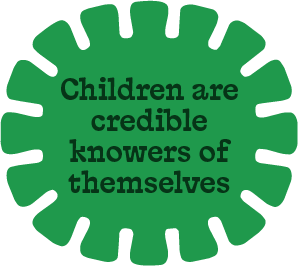
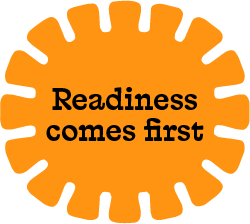
Our work is shaped by our values
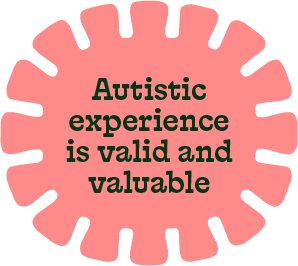

These principles shape how support is offered, how decisions are made, and how progress is understood.
The aim is not simply to help children cope in difficult environments, but to help create conditions in which they can feel more like themselves and thrive.
About Chris
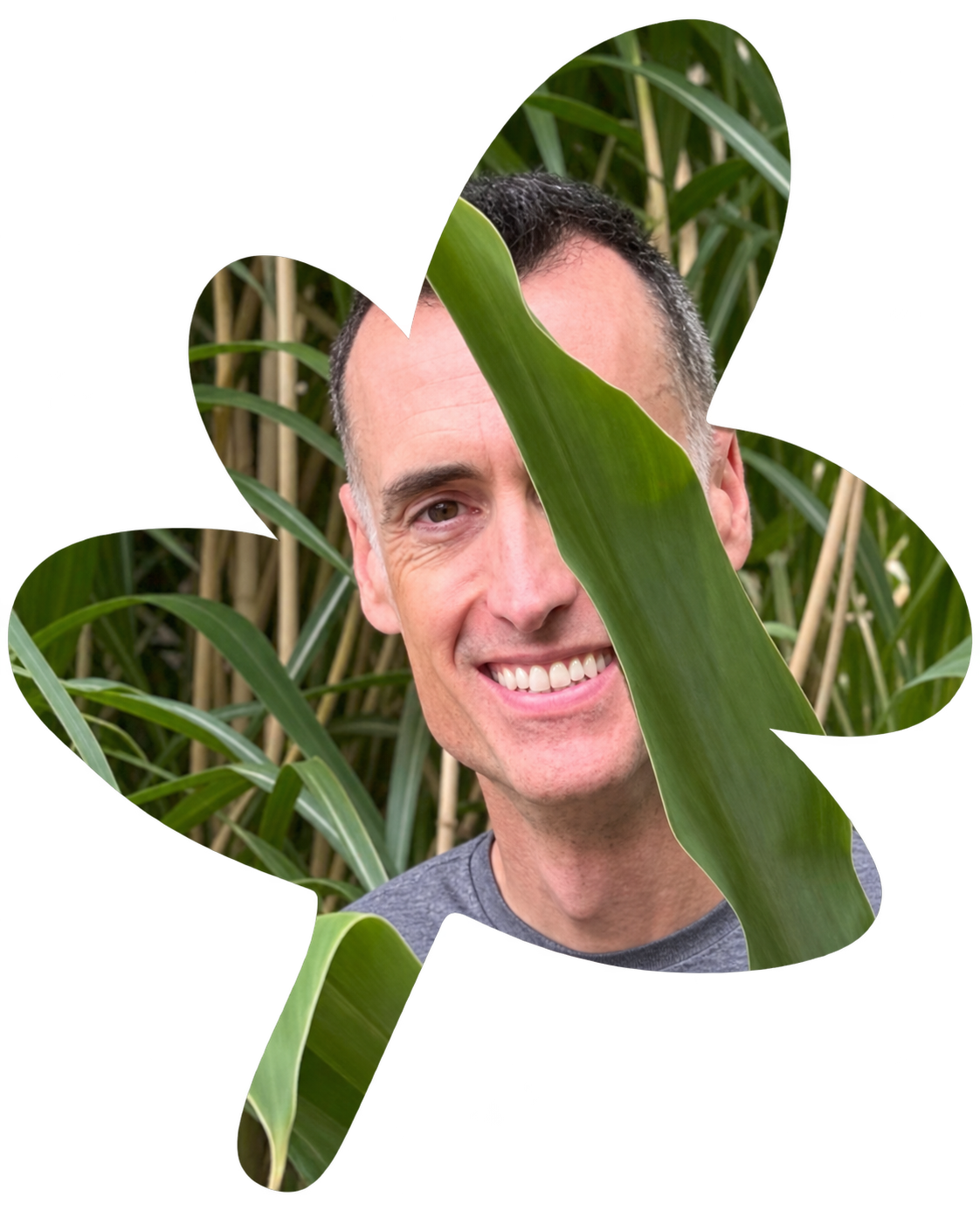
The Green Shoots Project was founded by Chris Paterson, an experienced educator with a long background in teaching, school leadership, and supporting autistic children. TGSP grew out of years of seeing how often autistic children were misunderstood, placed under pressure, or expected to adapt to environments that were not working for them.
Chris brings together professional experience, lived understanding, and a commitment to care-led practice. As a late-diagnosed autistic person and parent to two fabulous autistic children, his work is shaped not only by professional experience but by a deep, personal understanding of the challenges and possibilities within education and beyond.